Get In Touch

News
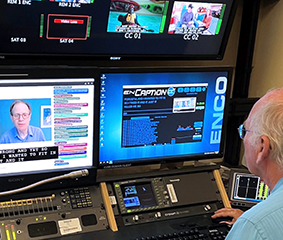
The Deadline That Moved: What Local Governments Should Do With Their Extra Year on Live Stream Captioning Compliance
On April 20, 2026, the U.S. Department of Justice issued an Interim Final Rule extending the compliance deadlines for ADA Title II web and mobile accessibility requirements by one full year. Phase 1 entities — state and local governments serving populations of 50,000 or more — now have until April 26, 2027. Phase 2 entities, covering smaller jurisdictions and special districts, have until April 26, 2028


One Studio, Every Story: How Mid-Size US TV Stations Are Using Green Screen to Stay Competitive
For mid-size television stations across the United States, the pressure has never been greater. Audiences expect the same production quality they see on national networks such as polished sets, dynamic visuals, seamless transitions between news, weather, sports, and election coverage. But the budgets and studio footprints of local and regional broadcasters have not grown to match those expectations.


7 Lesser Known (But Very Useful) Features of ENCO DAD Radio Automation Software
ENCO Dad Radio Automation Software is flexible, customizable, and interoperable. DAD users know the audio playout and automation system for its Presenter On-air Interface and vast playout options. There are some features , however, that can be extremely helpful for the radio broadcaster that you might not know about.


Disaster Recovery to the Rescue
While today’s software-defined radio stations are extremely powerful and agile, they’re also vulnerable to a wide range of hazards that can knock them off the air without warning. Even if the problem only lasts a few hours, that downtime can result in lost advertising or underwriting revenue and a need for makegoods.

Broadcast Captioning in the UK
When you google broadcast captioning mandates in the U.S., you’re immediately directed to the FCC website where you get tons of information detailing the closed captioning rules and requirements that U.S. broadcasters must follow for both over-the-air and streamed programming. If they fail to comply, there are repercussions, such as penalties and fines.

Complying with Captions in Canada
Whether programs are broadcast via traditional or online platforms, the Canadian Radio-television and Telecommunications Commission (CRTC) takes closed captioning very seriously. In its published guidelines, this regulatory government agency explains the importance of closed captioning.

When Only On-Premises-based Translation Will Do
Real-time captioning has become pervasive as digital content creators strive to make their videos accessible to all, especially the deaf and hard of hearing. While captioning used to be the bailiwick of broadcast TV, it’s now widely available on today’s media fare, including video podcasts, educational videos, and all types of entertainment.


